
Every Person is Unique
As music therapists, we know that all clients are unique, with idiosyncratic preferences and abilities. We assess each client individually, and then personalize music and a therapeutic program to fit said client’s specific goals and needs.
At Hearts in Harmony Music Therapy, we make every effort to communicate with the other therapists and professionals working with our clients, ensuring that our music therapy goals and behavior management align with individuals’ broad spectrum goals and needs.

Singing and Vocalization
Singing and vocalization (by both client and therapist) are effective methods for building a therapeutic relationship, communicating needs, and expressing feelings. For example, a client might develop and practice social skills by singing “hello and goodbye” songs, or by vocalizing and incorporating the use of American Sign Language and/or communication devices.

Instrument Play
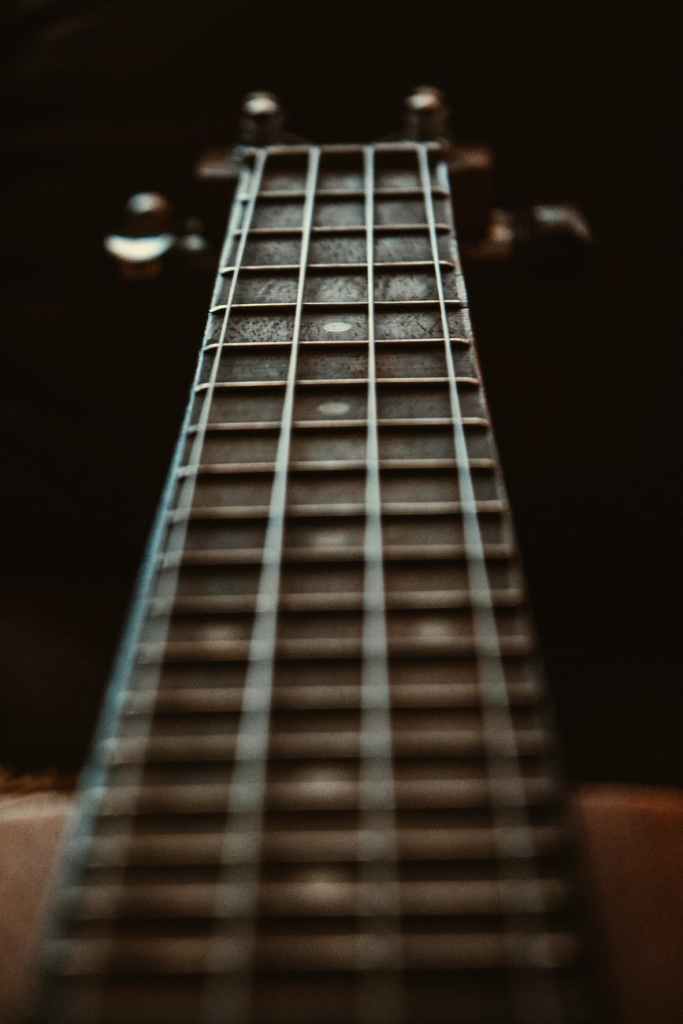
Many instruments are utilized in music therapy sessions. The most common instruments used by Hearts in Harmony Music Therapy include guitar, ukulele, and piano/keyboard. We also employ the use of various types of drums, xylophones, and small auxiliary percussion instruments like shakers, cabasas, rhythm sticks, bells, and claves.
Instrument play can be utilized to work toward a wide range of goals; it is a crucial part of the therapeutic process.
Improvisation
By creating spontaneous music through the use of singing and/or instrument play, clients are able to connect with their creative side. Improvisation may help clients to express their unique selves, as well as to communicate and connect with others.
Songwriting
With the guidance and assistance of the therapist, a client may work on composing songs: developing their melodic, harmonic, and/or lyrical content. Song composition can assist clients with self-expression, social/emotional goals, and academic goals (in particular, those related to writing, language, and communication). Additionally, some clients may learn to play and sing their songs themselves: this provides an opportunity for clients to develop their physical/motor skills, as well as a mechanism for confidence-building.
 Alison Smiley